

Stop Buying Software. Start Building Logic.
Why the most expensive tools in your business are the ones you don’t use and how to fix it with a napkin.
Quick question
How many software subscriptions are you paying for right now that you haven't touched in a month?
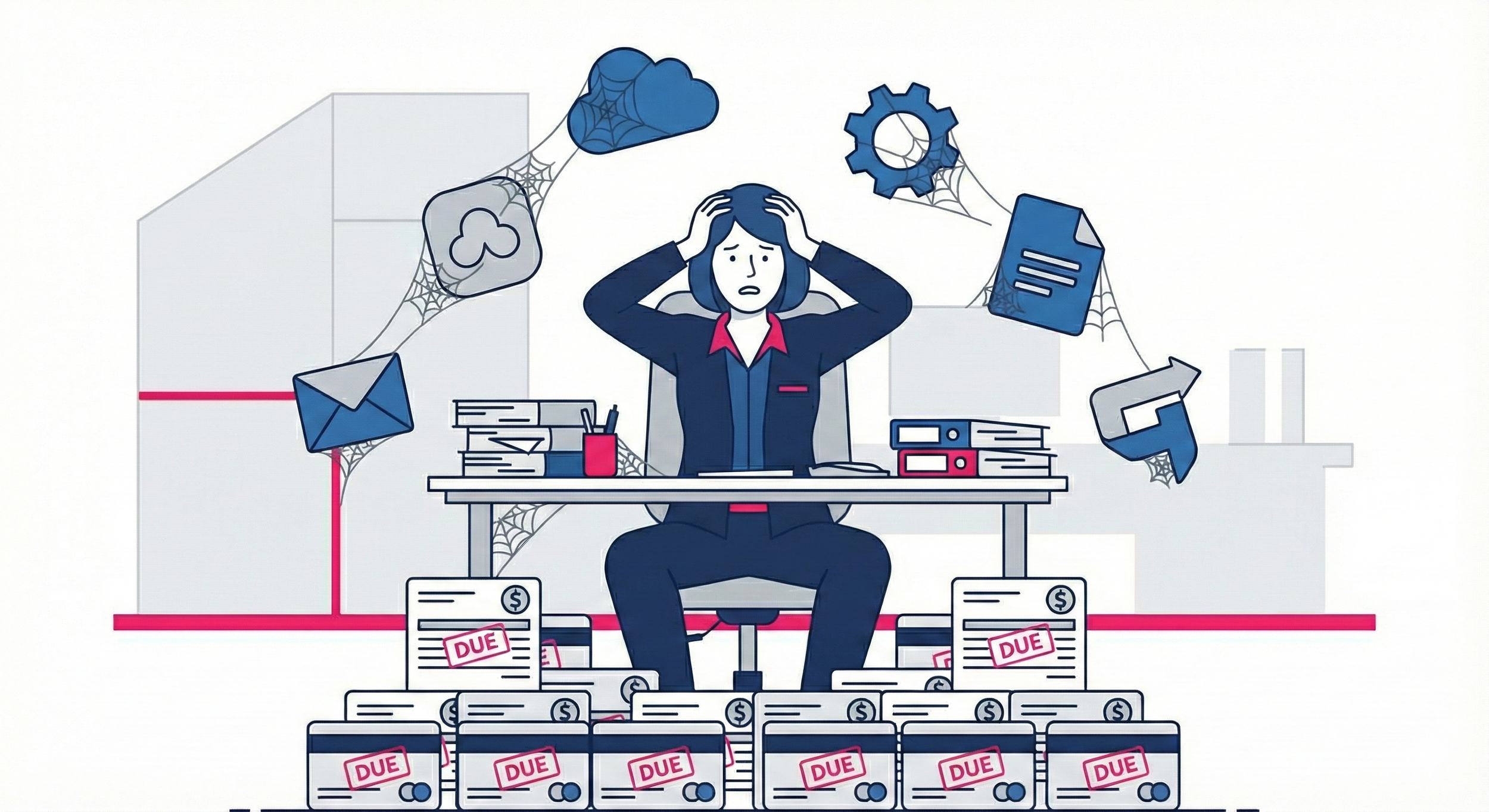
If you're like most founders I work with, the answer is at least three. Maybe it's that fancy CRM you signed up for. Or that inventory management system that promised to "revolutionize" your operations. Or that project management tool everyone raved about.
They're all sitting there, charging your credit card every month, completely unused.
Welcome to what I call the "Software Graveyard."
Why Smart People Buy Software They Never Use
Here's what happens: You're drowning in manual work. Someone tells you about this amazing tool. You sign up. You log in once or twice. Then... nothing.
It's not because you're lazy or forgetful.
It's because you bought the Tool before you defined the Logic.
Think of it like this: Software is just an amplifier. If you have a good process and you add software to it, you get efficiency. But if you have a chaotic process and you add software to it, you just get faster chaos.
It's like trying to organize a messy closet by buying more hangers. The hangers aren't the problem. The problem is you haven't decided what to keep, what to donate, and where things should go.
The truth is: Software doesn't fix broken processes. It just makes them faster.
The Golden Rule We Use at Altamira
Before we build any automation or recommend any tool for a client, we make them pass one test:
"If you can't map it on a napkin, you can't build it in software."
Here's why: Software is literal. It can't read your mind. It needs exact instructions. If you tell it to do something "usually" or "sometimes," it won't know what that means.
It's like programming your coffee maker. You can't tell it to brew coffee "when you feel like it." You have to say: "IF it's 6am on weekdays, THEN brew coffee. IF it's Saturday, THEN wait until 8am."
Your business processes need the same level of clarity.
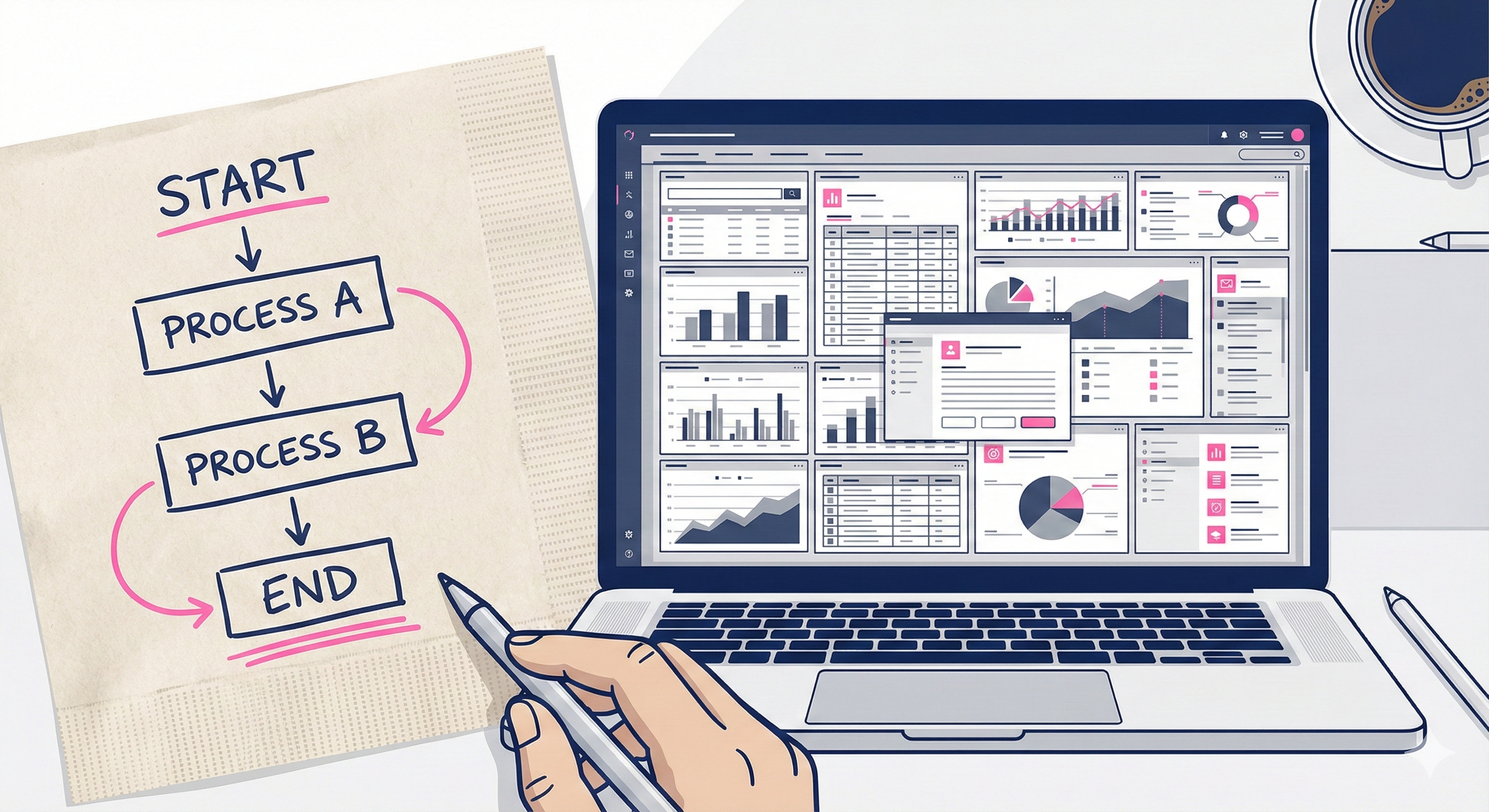
The "Napkin Test" (Use This Before Your Next Software Purchase)
Before you sign up for another free trial or hire a developer, grab a piece of paper and answer these three questions for the process you want to fix:
Question 1: The Trigger (When does it start?)
Be specific. "When we get busy" is not a trigger.
Bad example: "When we need to restock."
Good example: "When inventory for our bestselling moisturizer drops below 10 units."
Question 2: The Logic (What are the rules?)
This is where the magic happens. You need "If This, Then That" statements - just like that coffee maker.
Bad example: "We decide if we should reorder."
Good example: "IF we sold more than 50 units last month, order 200 more. IF we sold less than 10 units, don't reorder anything."
Question 3: The Output (What does "done" look like?)
Bad example: "Everyone knows what to do."
Good example: "A purchase order gets created in our accounting system and automatically emails to our supplier."
If you get stuck on Question 2 (the Logic step), do not buy the software. You're not ready yet.
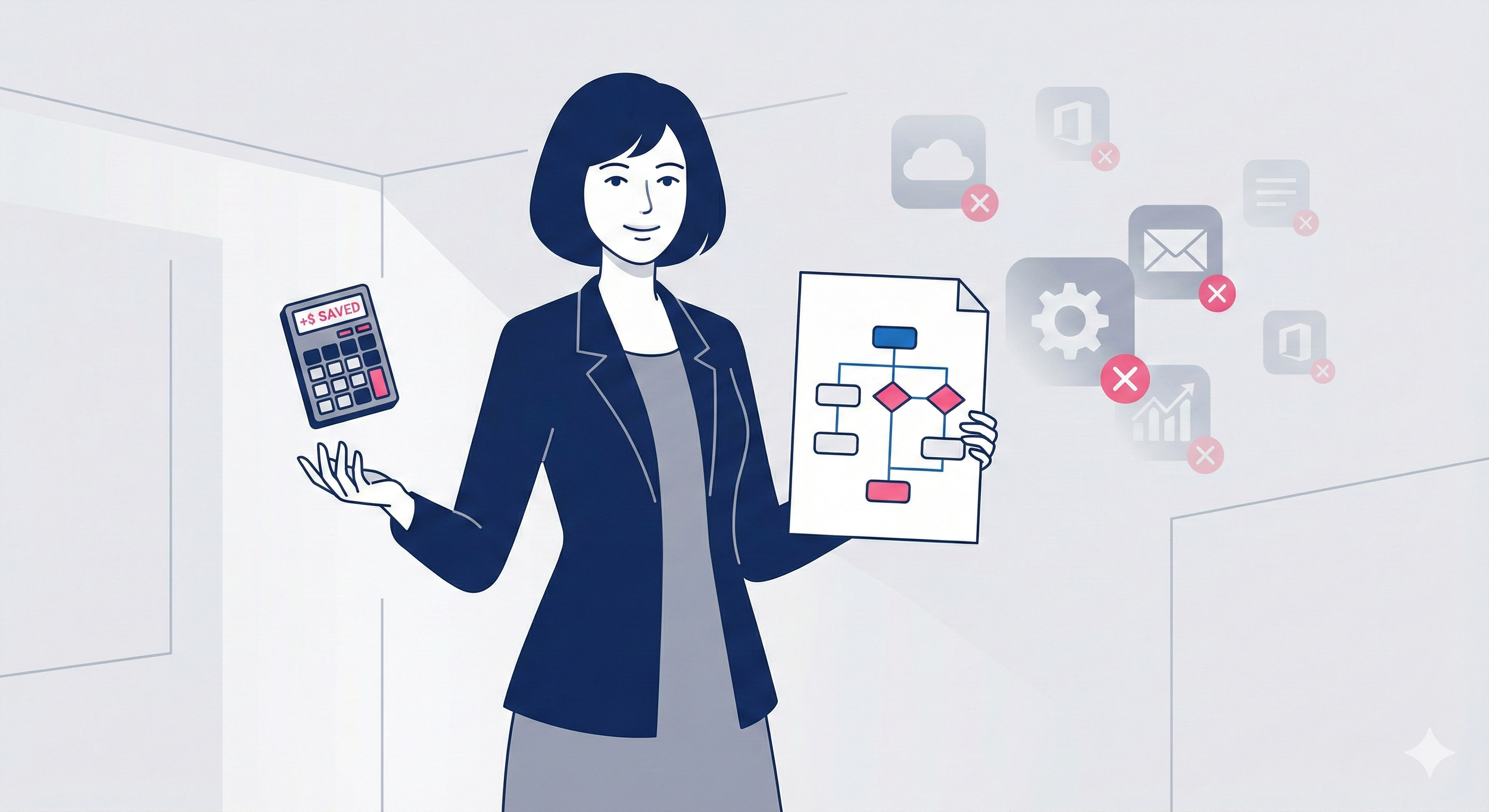
Fix the logic on paper first. It costs $0.00 and will save you thousands later.
Here's What I've Learned After 20 Years
I recently worked with a product-based business that had spent over $30,000 on software in one year. When I asked them to map out their reorder process on a whiteboard, they couldn't do it. Three different team members described three completely different processes.
That's not a software problem. That's a clarity problem.
After we spent two hours mapping their actual logic (on literal napkins at their office), they realized they didn't need most of those tools. They needed one simple system that followed clear rules everyone understood.
Your Action Steps
✔️ You'll know you're ready for software when:
You can explain your process to a 12-year-old
There's no "it depends" in your logic
Everyone on your team would draw the same flowchart
💡 The real cost of buying tools too early:
Monthly fees for unused software ($100-500/month per tool)
Time spent "learning" tools you'll never fully use
Team confusion when everyone uses different systems
The actual problem never gets solved
🚫 Warning signs you're not ready:
You're hoping the software will "figure it out"
Different people on your team do things different ways
You can't explain the rules without using "usually" or "sometimes"
What's Next?
Take your messiest process this week - maybe it's how you decide what to reorder, or how you onboard new clients, or how you handle customer complaints.
Draw it on a napkin. Actually draw it.
If you can't complete the three questions clearly, that's your answer. Don't buy software yet. Get clear first.
Once you've drawn your process on a napkin and answered all three questions without any "it depends" or "usually" language, then we can talk about the right tool to bring it to life.
That's when Altamira comes in. We take your napkin logic and turn it into automated systems that actually work - and that your team actually uses.
Book a free 30-minute discovery call and bring your messiest process. We'll map it out together and show you exactly where the bottleneck is - no software required.
Or if you want to see more examples of how we help businesses get clear before they scale, check out more client stories here.
